




How to Avoid Bad Hires: Proven Tips for Employers (Without the Headache)

Hiring the wrong person can feel like committing to the wrong relationship.
At first, everything looks promising. The portfolio is impressive. The interview goes well. You feel hopeful. Then the project starts… and suddenly communication drops, deadlines slip, expectations don’t align, and frustration creeps in.
Bad hires are not just inconvenient. They are expensive. They slow growth. They damage trust. And they create unnecessary anxiety around hiring.
For employers hiring creatives, freelancers, marketers, designers, developers, and specialists, the stakes are even higher. One wrong hire can stall an entire campaign or product launch.
The good news is this: bad hires are not inevitable. They are preventable.
With the right hiring approach, better briefs, and smarter systems, you can dramatically reduce risk and consistently find the right talent faster.
This guide walks you through how.
Why Bad Hires Keep Happening (Especially in Creative Hiring)
Most employers don’t intend to make bad hires. The problem is usually the process, not the intention.
Many hiring decisions are made under pressure. A project needs to move. A client is waiting. A deadline is approaching. In that urgency, employers often skip critical steps like proper vetting, clear briefing, or structured evaluation. What follows is predictable: the wrong person gets hired.
Another major issue is lack of clarity. Many hiring briefs are vague, rushed, or incomplete. When expectations are unclear, the wrong candidates apply, while the right candidates opt out. The result is a talent pool filled with poor matches from the start.
There’s also the overload problem. Employers are often juggling multiple platforms —job boards, LinkedIn, WhatsApp groups, referrals, freelance sites —all producing noise instead of clarity. Sorting through dozens or hundreds of profiles without a proper system leads to fatigue and poor decisions.
Finally, most hiring today is still transactional. Post a role, review applicants, pick someone, hope it works. There’s no intelligent matching layer. No structure. No real protection.
That’s why bad hires happen repeatedly.
The Real Cost of a Bad Hire
Bad hires cost more than money.
They cost momentum. They cost morale. They cost credibility.
When a hire fails, you lose the time spent onboarding, briefing, revising work, correcting mistakes, managing conflict, and eventually restarting the hiring process. Projects get delayed. Clients get frustrated. Teams get drained.
For startups and growing businesses, this can be devastating. A single wrong hire in a key role can stall progress for months. That’s why learning how to avoid bad hires is no longer optional — it’s a critical business skill.
How to Avoid Bad Hires: Practical Safeguards That Actually Work
Avoiding bad hires doesn’t require complex systems or corporate bureaucracy. It requires intentionality.
Here are the proven strategies that make the biggest difference.
1. Start With a Clear, Specific, High-Quality Brief
Most bad hires begin with bad briefs.
When you post a vague description like “Looking for a designer” or “Need a marketer ASAP,” you invite confusion. Candidates fill the gaps with their own assumptions, and you end up evaluating people based on misaligned expectations.
A strong hiring brief acts as your first filter. It communicates professionalism, attracts serious candidates, and repels people who aren’t a good fit.
A good brief doesn’t just describe the role. It explains the outcome you want. It gives context. It sets boundaries.
When your brief includes clear responsibilities, required skills, tools, timelines, budget, communication expectations, and success metrics, something powerful happens: only candidates who genuinely align with the opportunity move forward.
Clarity reduces noise. Noise is where bad hires live.
2. Evaluate Evidence, Not Just Personality
Chemistry matters, but competence matters more.
One of the most common hiring mistakes employers make is being overly influenced by charm, confidence, or smooth communication. A candidate may sound impressive on a call and still struggle to deliver real results.
To avoid bad hires, you need to anchor your decisions in evidence. That means reviewing real portfolios, not just polished mockups. It means asking for relevant past work, not generic samples. It means looking for proof that the person has solved similar problems before.
If someone claims they can handle your project, they should be able to show you where they’ve done something comparable. If they can’t, that’s a signal to proceed carefully.
Great hiring decisions are not based on potential alone. They are based on demonstrated ability.
3. Structure Your Interviews to Reveal Real Signals
Many interviews fail because they feel like casual conversations instead of intentional evaluations.
A structured interview helps you understand how a candidate thinks, communicates, solves problems, and behaves under real-world conditions. Instead of asking generic questions like “Tell me about yourself,” focus on scenario-based questions that reflect your actual working environment.
When you ask candidates how they handle shifting deadlines, difficult feedback, unclear briefs, or multiple stakeholders, you begin to see patterns. Strong candidates give thoughtful, practical answers. Weak candidates respond vaguely or defensively.
Interviews are not just for assessing skills. They are for assessing reliability, mindset, and alignment. When done properly, they become one of your strongest tools for avoiding bad hires.
4. Learn to Spot Red Flags Before You Commit
Just like in dating, hiring has red flags — and they often appear early.
Slow or inconsistent communication during the hiring stage is rarely a good sign. If someone struggles to reply on time when they are trying to impress you, responsiveness is unlikely to improve once they’re hired.
Unwillingness to clarify pricing, vague answers about process, overpromising unrealistic timelines, or an inability to explain how they work are all indicators of potential problems.
Pay attention to how a candidate behaves. If things already feel disorganised, confusing, or unreliable, trust that signal.
Good hires feel clear. Bad hires feel chaotic.
5. Prioritize Fit, Not Just Talent
A highly skilled creative who doesn’t align with your workflow, communication style, or expectations can still become a bad hire.
Talent without reliability is risky. Talent without alignment is frustrating. Talent without professionalism becomes expensive.
Strong hires are not just capable —they are compatible. They understand your goals. They ask intelligent questions. They respect timelines. They communicate proactively. They take ownership of outcomes.
Hiring for fit doesn’t mean lowering standards. It means expanding your standards beyond just technical ability.
6. Replace Guesswork With Matching Systems
Most traditional hiring is based on hope.
You scroll through profiles. You shortlist. You make a decision. You cross your fingers.
But the future of hiring is not browsing — it’s matching.
Smart matching systems reduce randomness by aligning briefs, expectations, skills, availability, and intent before conversations even begin. Instead of sifting through dozens of unsuitable candidates, you start with people who already fit the opportunity.
This shift from “search and hope” to “match and verify” is one of the most powerful ways employers can avoid bad hires.
How Agoraleads Helps Employers Avoid Bad Hires
Agoraleads was designed around one core idea: hiring should feel less like gambling and more like intelligent matchmaking.
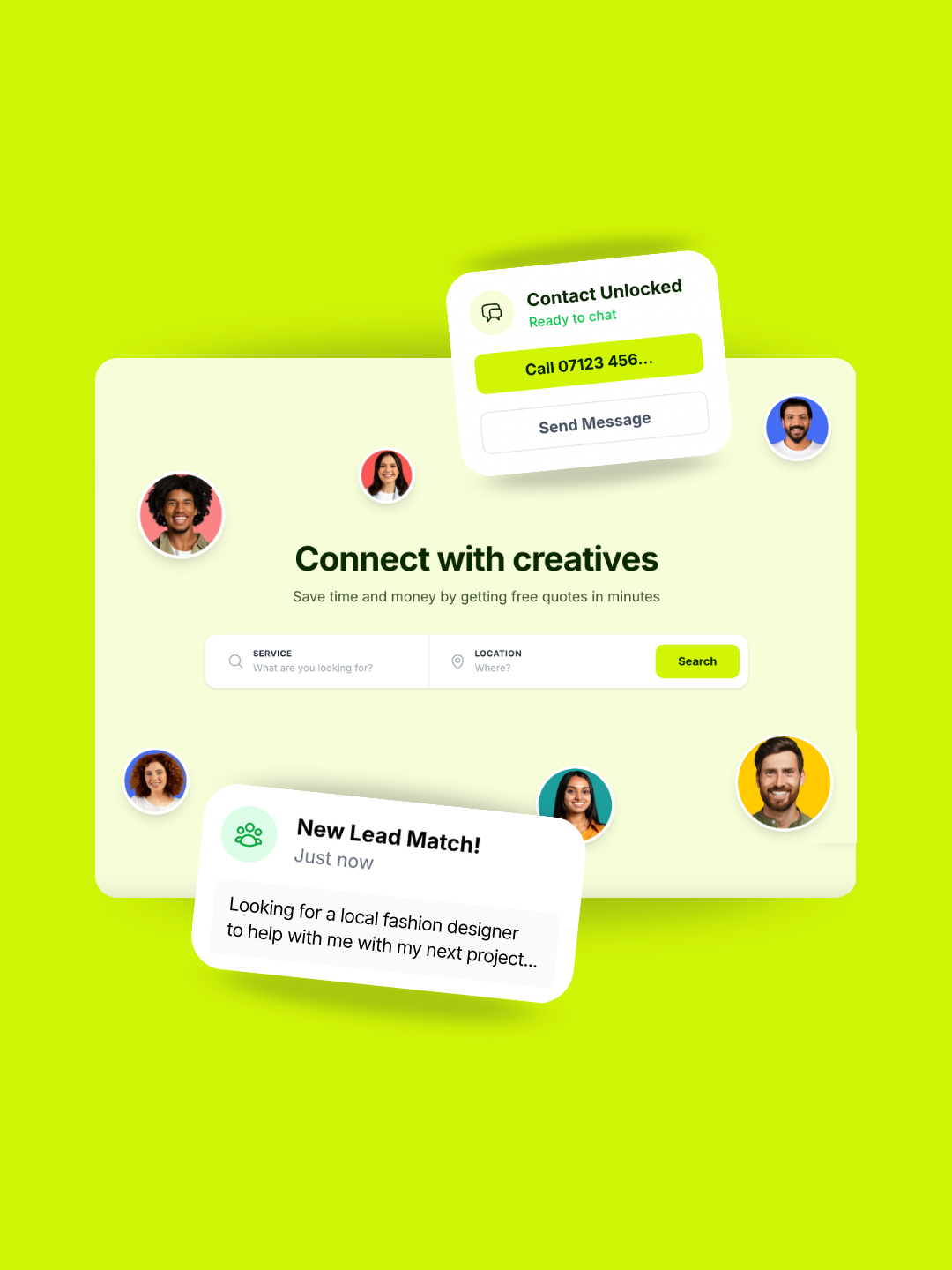
Instead of functioning as another crowded listing platform, Agoraleads positions itself as a creative matchmaking experience. Employers don’t just post and wait. They enter a structured flow designed to improve outcomes at every stage.
When employers submit a brief on Agoraleads, they are guided to clarify what they actually need. This alone dramatically improves match quality. Clear briefs lead to better candidates. Better candidates lead to better hires.
Creatives on the platform are not random profiles scraped from the internet. They are individuals who have intentionally joined to get work, built profiles around their skills, and engaged with the process. This creates a higher level of intent on both sides.
Instead of endless scrolling, employers receive relevant matches based on fit —skill fit, project fit, budget fit, and timeline fit. From there, conversations begin before commitments are made, reducing surprises later in the process.
The entire flow is designed to reduce friction, reduce ghosting, improve communication, and shorten the time between brief and booking.
In other words, fewer awkward first dates. More successful partnerships.
Reducing Hiring Anxiety Through Better Systems
Hiring anxiety usually comes from uncertainty.
“What if they don’t deliver?”
“What if they disappear?”
“What if this becomes a waste of time?”
“What if I have to start all over again?”
These fears are valid — especially if you’ve experienced bad hires before. But anxiety decreases when your process improves.
Clear briefs create confidence.
Better vetting creates predictability.
Structured conversations create clarity.
Smart matching creates trust.
Hiring stops feeling like a gamble and starts feeling like a system.
Final Thoughts: Better Hiring Is Not About Luck
Bad hires are not the result of bad luck. They are the result of weak systems.
Employers who consistently hire well do not rely on intuition alone. They build processes. They prioritize clarity. They use better platforms. They take control of how decisions are made.
If you want to avoid bad hires, protect your time, and build stronger working relationships with creatives, the solution isn’t hiring more cautiously —it’s hiring more intelligently.
Agoraleads exists to support that shift.
From clearer briefs to smarter matches to faster bookings, it represents a new way of thinking about hiring — one that feels modern, human, and built for how work actually happens today.