




How Platforms Like Agoraleads Remove the Fear Factor: How Technology Bridges the Trust Gap in Hiring
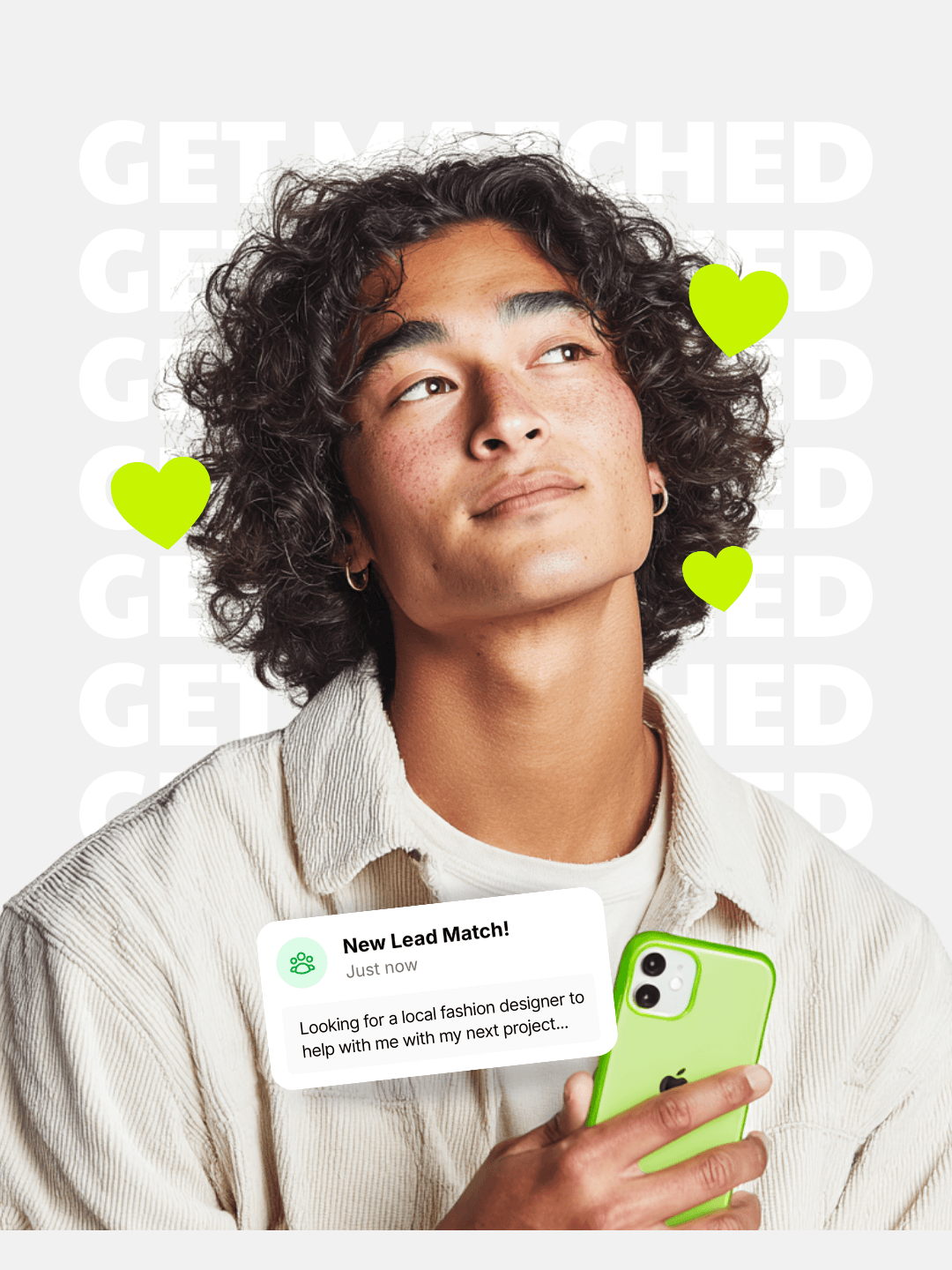
Hiring today is no longer just an operational task. It has become an emotional experience.
For employers, every new hire comes with a quiet tension: Will this person deliver? Will they communicate well? Will this decision cost us time and money if it goes wrong? For creatives, every new client conversation carries its own worries: Will I be taken seriously? Will the brief change halfway? Will I be paid on time? Will I be ghosted after sending my proposal?
These thoughts may never be spoken out loud, but they shape how people behave. They influence how carefully briefs are written, how guarded conversations become, and how slow decisions feel. Over time, they turn hiring into something heavy and stressful instead of something productive and collaborative.
Yet, this fear is not inevitable. It is not a natural law of hiring. It is the result of systems that were never designed to create trust.
Platforms like Agoraleads exist to change this reality by redesigning how people meet, communicate, and commit to working together. Not through slogans or promises, but through structure, clarity, and intentional technology.
Why Trust, Not Talent, Is the Real Bottleneck in Hiring
The internet has made talent abundant. Designers, developers, writers, marketers, and strategists are everywhere. Skill is no longer scarce.
Trust, however, is.
Most failed hiring experiences are not caused by lack of ability. They are caused by doubt. Employers doubt whether a portfolio is honest. Creatives doubt whether a client is serious. Both sides doubt whether expectations will be respected.
This constant uncertainty shapes the tone of every interaction. Employers become overly cautious, adding layers of screening, delays, and requirements. Creatives become defensive, guarded, or disengaged. Conversations become tense rather than open. Decisions take longer. Opportunities are missed.
When trust is low, even good opportunities feel risky.
This is the silent crisis modern hiring platforms must solve.
How Traditional Hiring Environments Create Anxiety by Design
Most traditional hiring platforms were built to optimize for volume, not confidence.
Job boards focus on posting speed and application numbers. Freelance marketplaces emphasize competition and price comparison. Social media hiring relies on informal messaging and scattered context. None of these environments prioritize emotional safety or clarity.
As a result, users operate in constant uncertainty. Clients are unsure who to trust among dozens of profiles. Creatives are unsure whether a client is legitimate or simply exploring options. Both sides invest time without knowing if it will lead anywhere.
This lack of structure turns hiring into a guessing game. And when people guess with their money, time, and reputation, fear becomes unavoidable.
Technology, when poorly designed, amplifies anxiety. When designed intentionally, it does the opposite.
How Structured Briefs Replace Uncertainty With Shared Understanding
One of the earliest sources of fear in hiring is misunderstanding.
Clients often struggle to express what they truly need. Creatives often struggle to interpret vague requests. This disconnect leads to misaligned expectations, disappointment, and blame.
Agoraleads addresses this problem at the very beginning of the journey: the brief.
Instead of allowing random job descriptions filled with buzzwords and missing details, the platform guides clients to articulate their needs clearly. Goals, scope, timeline, budget, and deliverables are not afterthoughts. They are built into the process.
This structured approach transforms the emotional tone of hiring. Creatives no longer enter conversations unsure of what is expected. Clients no longer fear being misunderstood. Both sides begin with a shared reference point.
That shared understanding reduces defensive behavior. It lowers emotional tension. It creates a sense of stability before any personal interaction takes place.
Trust begins with clarity.
Why Intelligent Matching Is More Than Convenience
Many platforms treat matching as a technical feature. In reality, it is a psychological one.
When people are presented with too many irrelevant options, they feel overwhelmed. When they must search endlessly for compatibility, they become tired and uncertain. This mental fatigue leads to rushed choices or complete indecision.
Agoraleads uses matching not merely to save time, but to reduce emotional risk.
When a client receives a creative match, they are not seeing a random profile. They are seeing someone who already aligns with their project type, budget range, timeline, and skill requirements. When a creative receives an opportunity, it is already filtered to match their expertise and goals.
This changes the tone of the interaction.
Instead of beginning with doubt, conversations begin with relevance. Instead of asking “Are you even right for this?”, both sides move directly to “How can we work well together?”
Relevance is comforting. And comfort is a foundation for trust.
How High-Intent Environments Change Human Behavior
The design of a platform quietly instructs users how to behave.
On platforms filled with casual browsing and endless competition, people act casually. They delay responses. They ghost. They negotiate aggressively. They treat opportunities as disposable.
Agoraleads creates a different atmosphere.
By positioning itself as a creative matchmaking platform, it signals seriousness without heaviness. Users arrive with purpose. Creatives join to work. Clients join to hire. The shared intent reshapes the emotional contract between both sides.
When people believe that others in the system are serious, they act more professionally. They communicate more clearly. They commit more thoughtfully.
This shift is subtle, but it is powerful. Trust grows not because users are forced to behave well, but because the environment encourages it.
Transparency as an Antidote to Suspicion
Suspicion grows in silence.
When users cannot see how decisions are made, how matches are formed, or what stage of the process they are in, their minds fill the gap with assumptions. These assumptions are usually negative.
Agoraleads reduces this by making the process understandable. Users see how briefs are structured. They understand why matches occur. They know when conversations are moving forward and what the next step is.
This transparency transforms emotional experience. Instead of wondering whether something is wrong, users understand what is happening. Instead of doubting motives, they observe systems at work.
Transparency does not eliminate all risk, but it removes the feeling of being blind.
And blindness is one of the strongest sources of fear.
Designing Communication to Reduce Ghosting and Emotional Whiplash
Ghosting is not just inconvenient. It is emotionally damaging. It creates doubt about one’s value, professionalism, and judgment.
Agoraleads addresses this not through rules, but through flow.
When communication is embedded inside a structured journey — brief to match, match to chat, chat to booking —interactions feel purposeful. People understand that a process is unfolding. Silence becomes noticeable rather than invisible.
This changes behavior. Users feel accountable to the system, not just to each other. Conversations carry weight. Decisions feel real.
Over time, this design reduces the casual disappearance that plagues modern hiring platforms and replaces it with more respectful disengagement when things do not proceed.
Respect, even in rejection, builds trust in the platform.
The Psychological Relief of Being Guided
Perhaps the most overlooked benefit of platforms like Agoraleads is emotional guidance.
Traditional hiring feels lonely. You publish a role and wait. You send a proposal and hope. You refresh your inbox. You interpret silence. You second-guess yourself.
Agoraleads replaces this loneliness with structure.
The platform does not promise perfection, but it provides direction. Users always know what step they are on. They know what action to take next. They know what progress looks like.
This sense of being guided reduces mental load. People stop obsessing over uncertainty and start focusing on collaboration.
Calm replaces tension. And calm is fertile ground for good decisions.
How Agoraleads Brings All These Elements Together
Agoraleads is not just a website where creatives and clients meet. It is an intentionally designed system that combines clarity, relevance, transparency, and guidance into a single experience.
It does not rely on marketing language to build trust. It embeds trust into the process itself.
Clients feel safer because they understand what they are hiring and why. Creatives feel safer because opportunities arrive with context and structure. Conversations begin with alignment instead of suspicion.
This is what truly removes the fear factor: not the absence of risk, but the presence of understanding.
Why This Matters for the Future of Creative Work
As work becomes more remote and project-based, trust will matter more than ever.
People will collaborate across borders, cultures, and time zones. They will rely on systems to replace the cues once provided by physical offices and face-to-face meetings.
Platforms that ignore the emotional dimension of hiring will struggle. Platforms that design for psychological safety will define the future.
Agoraleads is positioning itself in this future, not merely as a hiring tool, but as a trust-building layer for the modern creative economy.
Final Thoughts: When Fear Leaves, Better Work Begins
Fear distorts judgement. It causes people to settle for poor matches, avoid honest conversations, or rush into bad decisions.
When technology reduces fear, something remarkable happens.
Clients become clearer.
Creatives become bolder.
Communication becomes more direct.
Collaboration becomes more human.
Agoraleads is quietly enabling this shift by redesigning not just how hiring works, but how it feels.
And when hiring feels safer, everyone wins — the employer, the creative, and the work itself.